

What Is Digital Marketing For Beginners ?
Learn digital marketing for beginners with this complete guide. Discover SEO, social media, content marketing, email marketing, PPC, and proven strategies to grow online. If you’ve ever wondered how businesses attract customers online, the answer is digital marketing. Whether you’re a student, freelancer, entrepreneur, or business owner, understanding digital marketing for beginners is one of the most valuable skills you can learn in today’s digital world.
Unlike traditional marketing, digital marketing allows businesses to reach their target audience through search engines, websites, social media, email, and other online platforms. It is measurable, cost-effective, and accessible even for people with limited budgets.
In this comprehensive guide, you’ll learn what digital marketing is, how it works, its major types, essential tools, benefits, and practical steps to get started.
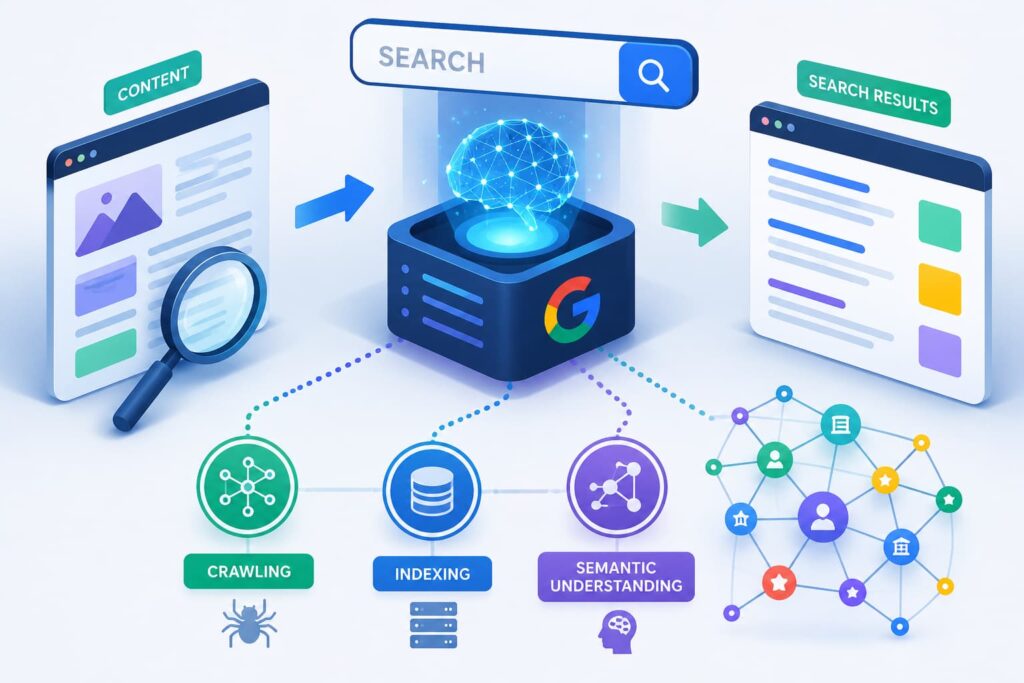
Why Is Digital Marketing Important?
The internet has changed how people shop, learn, and communicate. Before making a purchase, most consumers research products online.
Businesses that establish a strong online presence can:
- Reach more customers
- Increase brand awareness
- Generate qualified leads
- Improve customer engagement
- Increase sales
- Measure campaign performance
For beginners, digital marketing offers countless opportunities without requiring a large investment.
How Does Digital Marketing Work?
Digital marketing works by attracting the right audience, building trust, and encouraging users to take action.
A typical digital marketing process looks like this:
- Identify your target audience.
- Create valuable content.
- Optimize content for search engines.
- Promote content through multiple channels.
- Convert visitors into customers.
- Analyze performance and improve continuously.
Every successful digital marketing campaign follows this basic cycle.
Types of Digital Marketing For Beginners tips
1. Search Engine Optimization (SEO)
SEO is the practice of improving your website so it ranks higher in search engine results.
SEO includes:
- Keyword research
- On-page SEO
- Technical SEO
- Link building
- User experience optimization
SEO is one of the most important skills in digital marketing for beginners because it generates long-term organic traffic.
Benefits of SEO Digital Marketing For Beginners
- Free organic visitors
- Higher website authority=
- Better user experience
- Long-lasting results
2. Content Marketing
Content marketing focuses on creating useful and valuable content that attracts potential customers.
Popular content formats include:
- Blog posts
- Videos
- Infographics
- Podcasts
- E-books
- Case studies
Quality content builds trust and helps improve SEO rankings.
3. Social Media Marketing
Social media marketing involves promoting your business through platforms such as:
- X (Twitter)
- TikTok
- YouTube
Businesses use social media to:
- Increase brand awareness
- Engage with followers
- Drive website traffic
- Generate leads
- Build communities
4. Email Marketing
Email marketing remains one of the highest ROI digital marketing strategies.
Businesses send emails to:
- Welcome new subscribers
- Share promotions
- Deliver newsletters
- Launch products
- Build customer relationships
Personalized email campaigns often achieve higher engagement than generic messages
5. Pay-Per-Click (PPC) Advertising
PPC is a paid advertising model where advertisers pay when someone clicks their ad.
Examples include:
- Google Search Ads
- Display Ads
- Shopping Ads
- Social Media Ads
- Digital Marketing For Beginners
PPC provides immediate traffic while SEO focuses on long-term growth.
6. Affiliate Marketing
Affiliate marketing allows individuals to earn commissions by promoting products or services.
The process is simple:
- Join an affiliate program.
- Share unique referral links.
- Earn commissions from successful purchases.
- Digital Marketing For Beginners
Many bloggers and creators use affiliate marketing as a passive income source.
7. Influencer Marketing
Brands collaborate with influencers who have loyal audiences.
Influencers promote products through:
- Videos
- Stories
- Reviews
- Live streams
- Social posts
This strategy helps businesses reach highly engaged audiences.
8. Video Marketing
Video has become one of the most effective content formats.
Popular platforms include:
- YouTube
- Instagram Reels
- TikTok
- Facebook Videos
- LinkedIn Videos
- Video content increases engagement and improves conversion rates.
- Digital Marketing For Beginners
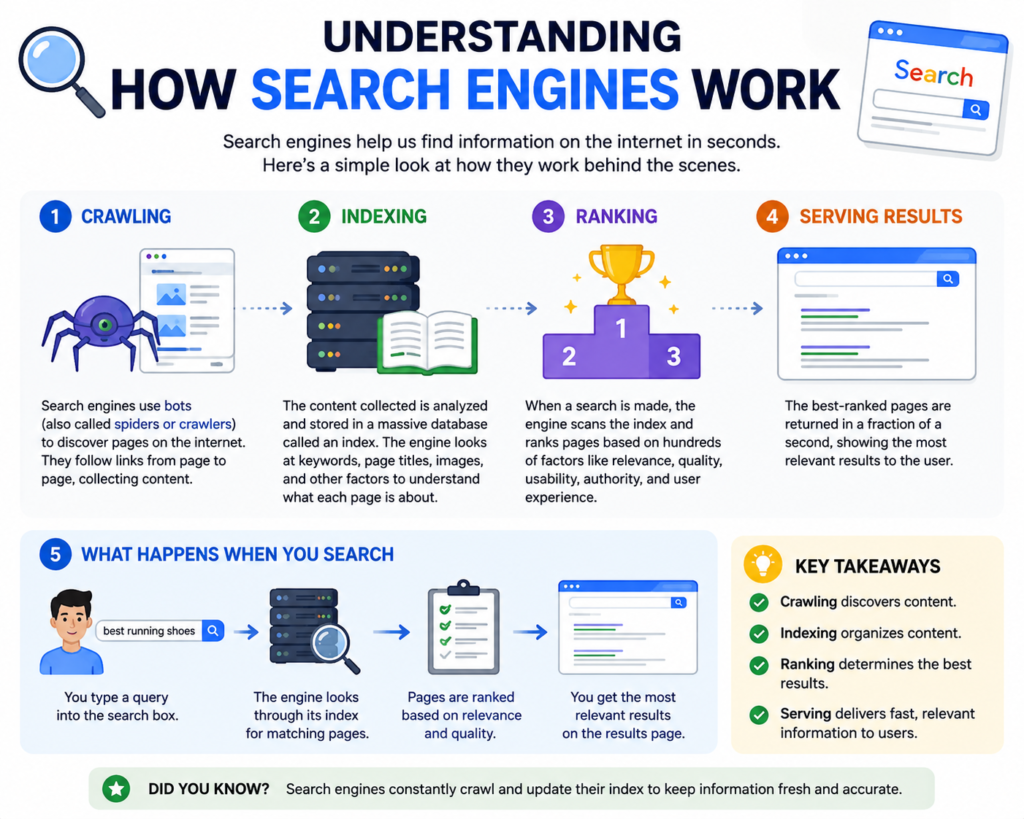
Essential Digital Marketing for beginners Skills
If you’re learning digital marketing for beginners, focus on developing these skills:
- Keyword research
- SEO basics
- Content writing
- Social media management
- Email marketing
- Analytics
- Basic graphic design
- Copywriting
- Marketing strategy
- AI tools
- Digital Marketing For Beginners
Mastering these skills creates a strong foundation for career growth.
Best Free Digital Marketing Tools
Here are some beginner-friendly tools:
| Purpose | Tools |
|---|---|
| SEO | Google Search Console, Google Keyword Planner |
| Analytics | Google Analytics |
| Content Writing | ChatGPT, Grammarly |
| Design | Canva |
| Email Marketing | Mailchimp |
| Social Media | Buffer |
| Website | WordPress |
Many of these tools offer free plans for beginners.
Benefits of Digital Marketing For Beginners
Digital marketing offers several advantages over traditional marketing.
Cost Effective
Small businesses can compete with larger brands using affordable marketing strategies.
Global Reach
Reach customers from anywhere in the world.
Measurable Results
Track clicks, impressions, conversions, and revenue.
Better Targeting
Show your content to people who are genuinely interested.
Higher ROI
Optimize campaigns based on real-time performance data.
Increased Customer Engagement
Interact directly with customers through comments, emails, and social media.
Common Digital Marketing For Mistakes Beginners Make

Avoid these common mistakes:
- Ignoring SEO
- Publishing low-quality content
- Targeting everyone instead of a specific audience
- Posting inconsistently
- Not tracking analytics
- Expecting instant results
- Forgetting mobile optimization
- Keyword stuffing
- Neglecting website speed
Learning from these mistakes will save time and improve results.
How to Start Digital Marketing For Beginners
Follow these steps:
Step 1: Learn the Basics
Understand SEO, content marketing, email marketing, PPC, and social media.
Step 2: Build a Website
Create a simple WordPress website or blog.
Step 3: Practice SEO
Publish helpful articles targeting beginner-friendly keywords.
Step 4: Create Valuable Content
Focus on solving real problems for your audience.
Step 5: Learn Analytics
Monitor website traffic and user behavior.
Step 6: Build Your Portfolio
Showcase your projects and marketing campaigns.
Step 7: Keep Learning
Digital marketing evolves rapidly, so stay updated with new trends and tools.
Career Opportunities in Digital Marketing
Learning digital marketing for beginners can open many career paths, including:
- SEO Specialist
- Content Writer
- Social Media Manager
- PPC Specialist
- Email Marketing Specialist
- Digital Marketing Executive
- Marketing Analyst
- Affiliate Marketer
- Freelance Digital Marketer
- Digital Marketing Consultant
Many of these roles offer remote work opportunities.
Future of Digital Marketing
The future of digital marketing is being shaped by:
- Artificial Intelligence (AI)
- Voice Search
- Video-first content
- Personalization
- Marketing automation
- Predictive analytics
- Conversational marketing
- First-party data strategies
Businesses that adapt to these trends will remain competitive in the coming years.
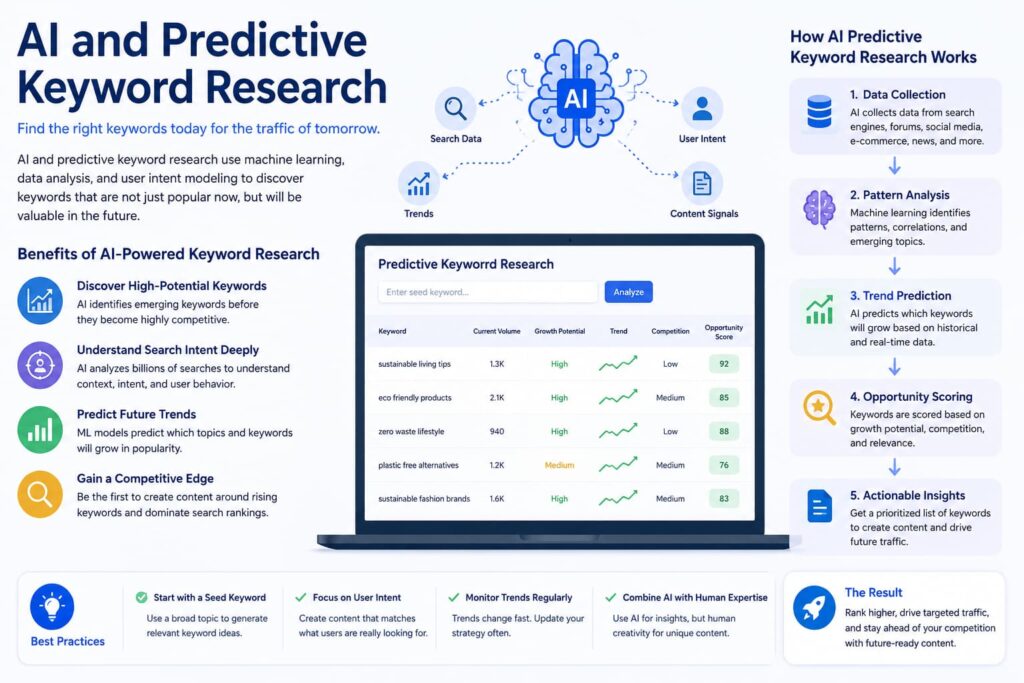
Frequently Asked Questions
What is digital marketing in simple words?
Digital marketing is the promotion of products or services using online channels like search engines, websites, social media, email, and online advertising.
Is digital marketing for beginners?
Yes. With consistent learning and hands-on practice, beginners can build strong digital marketing skills over time.
Do I need coding skills to learn digital marketing For Beginners?
No. Basic digital marketing can be learned without coding, although some technical knowledge can be helpful for SEO and website optimization.
How long does it take to learn digital marketing For Beginners?
Most beginners can understand the fundamentals in 2–3 months with regular study and practice. Mastery takes ongoing learning and real-world experience.
Is digital marketing a good career?
Yes. Demand for digital marketing professionals continues to grow across industries, offering opportunities in freelancing, agencies, startups, and large organizations.
Conclusion
Learning digital marketing for beginners is one of the smartest investments you can make in today’s digital economy. From SEO and content marketing to social media, email campaigns, and paid advertising, digital marketing provides businesses and individuals with powerful ways to reach audiences, build trust, and achieve measurable growth.
Start with the basics, practice consistently, create valuable content, and monitor your results. Over time, you’ll develop the skills needed to build an online presence, grow a business, or launch a successful career in digital marketing.
SEO Checklist
Internal Linking Opportunities: SEO Basics, Keyword Research, Content Marketing, Link Building, Email Marketing
Focus Keyword: digital marketing for beginners
Keyword in Title: ✅
Keyword in First 100 Words: ✅
Keyword in H2 Headings: ✅
Meta Description Included: ✅
FAQ Section: ✅
Real-Life Examples of Digital Marketing
Understanding digital marketing becomes much easier when you see it in action. Here are a few everyday examples.
Example 1: Search Engine Optimization (SEO)
Imagine you search for “best running shoes for beginners” on Google. The websites appearing on the first page have likely invested in SEO. They optimized their content with relevant keywords, fast-loading pages, quality backlinks, and helpful information to rank higher in search results.
Example 2: Social Media Marketing
A clothing brand posts short videos on Instagram showcasing its latest collection. Users like, comment, and share the posts, helping the brand reach more potential customers organically.
Example 3: Email Marketing
An online bookstore sends subscribers a weekly email featuring new releases, personalized recommendations, and exclusive discounts. This keeps customers engaged and encourages repeat purchases.
Example 4: Pay-Per-Click (PPC)
A local bakery pays for Google Ads targeting the keyword “birthday cakes near me.” Whenever someone searches for that term, the bakery’s ad appears at the top of the search results.
Digital Marketing vs Traditional Marketing
| Digital Marketing | Traditional Marketing |
|---|---|
| Online channels | Offline channels |
| Lower marketing costs | Higher advertising costs |
| Real-time performance tracking | Difficult to measure results |
| Global audience | Mostly local audience |
| Precise audience targeting | Broad targeting |
| Easy campaign optimization | Limited flexibility |
| Interactive communication | One-way communication |
While traditional marketing still has value, digital marketing offers greater flexibility, measurable results, and wider reach.
Digital Marketing Funnel Explained
A digital marketing funnel represents the journey a customer takes before making a purchase.
1. Awareness
At this stage, people discover your business through:
- Google Search
- Blog posts
- Social media
- Online advertisements
- YouTube videos
The goal is to attract attention.
2. Interest
Potential customers begin learning about your products or services by:
- Reading blog articles
- Watching tutorials
- Downloading free resources
- Following your social media accounts
Your content should educate rather than sell aggressively.
3. Consideration
Prospects compare your business with competitors.
Helpful content includes:
- Product comparisons
- Customer testimonials
- Reviews
- Case studies
- FAQs
Building trust is essential at this stage.
4. Conversion
The visitor becomes a customer by:
- Purchasing a product
- Booking a consultation
- Requesting a quote
- Signing up for a service
Clear calls to action (CTAs) help improve conversion rates.
5. Loyalty
After the purchase, continue engaging customers through:
- Email newsletters
- Loyalty programs
- Helpful support
- Exclusive offers
Retaining existing customers is often more cost-effective than acquiring new ones.
Top Digital Marketing For Beginners Trends in 2026
The digital marketing landscape continues to evolve. Here are some of the most important trends.
Artificial Intelligence (AI)
AI helps marketers create content, analyze data, automate campaigns, and personalize customer experiences more efficiently.
Voice Search Optimization
More users are searching using voice assistants, making conversational keywords increasingly important.
Short-Form Video
Platforms like YouTube Shorts, Instagram Reels, and TikTok continue to drive high engagement with concise, engaging video content.
First-Party Data
As privacy regulations evolve, businesses are relying more on data collected directly from their customers rather than third-party cookies.
Personalized Marketing
Consumers expect tailored recommendations, emails, and advertisements based on their preferences and behavior.
Measuring Digital Marketing For Beginners Success
Tracking performance helps you understand what works and where improvements are needed.
Important metrics include:
- Website traffic
- Organic search rankings
- Click-through rate (CTR)
- Conversion rate
- Bounce rate
- Average session duration
- Email open rate
- Cost per click (CPC)
- Return on ad spend (ROAS)
- Customer acquisition cost (CAC)
Review these metrics regularly to optimize your marketing efforts.
Tips to Succeed in Digital For Beginners
If you’re just starting, keep these best practices in mind:
- Learn one marketing channel at a time.
- Focus on creating helpful, original content.
- Understand your target audience.
- Use data to guide decisions.
- Stay updated with industry trends.
- Test different strategies and improve continuously.
- Build an email list from day one.
- Prioritize user experience across all devices.
Consistency often delivers better results than trying every new tactic.
Why Learning Digital Marketing for Beginners Is Easier Than Ever
The good news is that digital marketing for beginners is more accessible today than ever before. Years ago, learning digital marketing often required expensive courses or formal training. Now, anyone with an internet connection can access tutorials, practice on a personal website, and build real-world skills.
Whether you want to start a blog, grow an online business, become a freelancer, or work for a company, learning digital marketing for beginners gives you practical skills that are valuable across almost every industry.
Some of the biggest advantages include:
- Low cost to get started
- Flexible learning at your own pace
- High demand for digital marketing professionals
- Opportunities for freelance and remote work
- Potential to build your own online business
- Continuous career growth as new technologies emerge
Digital Marketing for Beginners: Step-by-Step Learning Path
If you’re completely new to online marketing, this roadmap will help you learn the right skills in the right order.
Step 1: Understand the Basics
Before diving into tools and platforms, understand the fundamentals of digital marketing for beginners, including:
- What digital marketing is
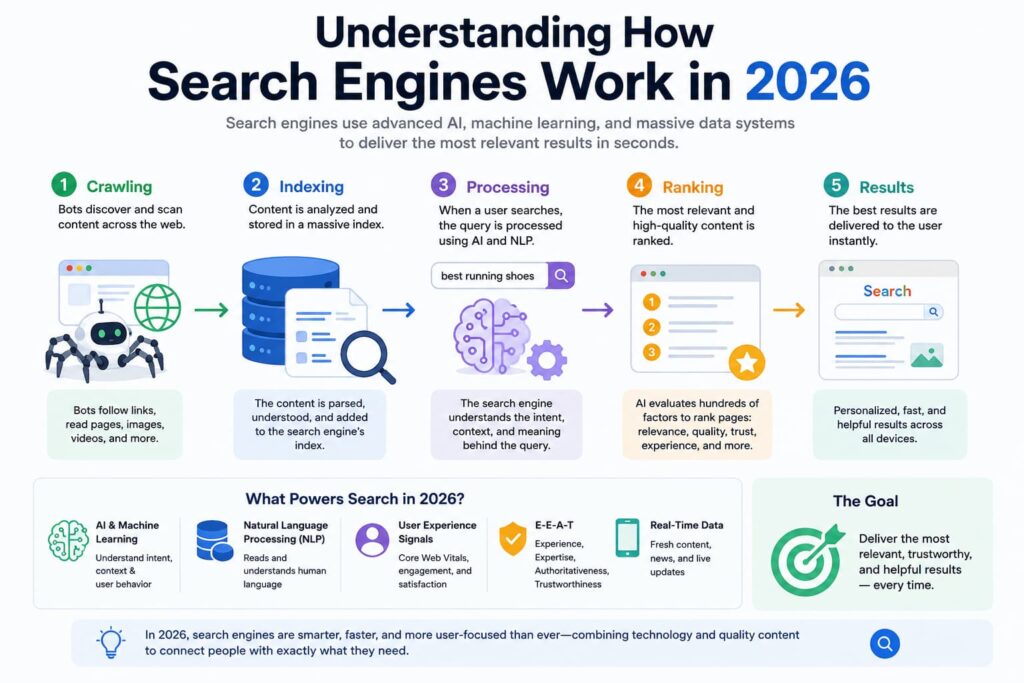
- How search engines work
- The customer journey
- Different marketing channels
- Basic marketing terminology
A solid foundation will make advanced topics much easier to understand.
Step 2: Learn Keyword Research
Keyword research is one of the first practical skills in digital marketing for beginners. It helps you understand what people are searching for online.
Good keyword research allows you to:
- Discover popular search terms
- Understand search intent
- Create content people actually want
- Improve your chances of ranking in Google
Focus on long-tail keywords because they are usually less competitive and attract more targeted visitors.
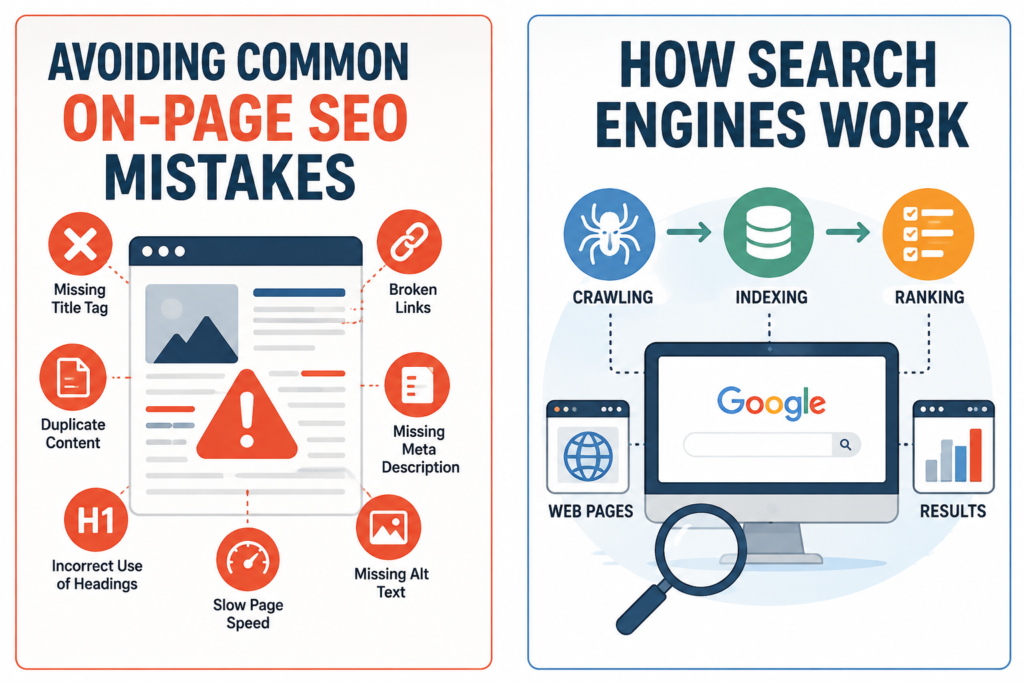
Step 3: Master On-Page SEO
On-page SEO helps search engines understand your content while improving the user experience.
Important on-page SEO elements include:
- SEO-friendly page titles
- Optimized meta descriptions
- Proper heading structure (H1, H2, H3)
- Internal linking
- Image optimization
- Fast page speed
- Mobile-friendly design
- Strategic keyword placement
These optimization techniques are essential for anyone learning digital marketing for beginners.
Step 4: Create Helpful Content
Content is the heart of every successful digital marketing strategy.
Instead of writing only for search engines, focus on creating content that solves your audience’s problems.
Helpful content should:
- Answer common questions
- Be easy to read
- Include practical examples
- Use images and videos when appropriate
- Stay up to date
- Demonstrate expertise and credibility
When readers find your content useful, they are more likely to share it, revisit your website, and trust your brand.
Step 5: Build Your Social Media Presence
Social media complements your content marketing efforts.
As part of digital marketing for beginners, choose one or two platforms where your target audience is most active instead of trying to manage every social network.
Share:
- Blog posts
- Tips
- Short videos
- Infographics
- Customer success stories
- Industry updates
Consistency matters more than posting frequently.
Step 6: Build an Email List
Email marketing remains one of the most reliable ways to communicate with your audience.
Offer something valuable in exchange for an email address, such as:
- A free checklist
- An eBook
- A template
- A beginner’s guide
- A discount code
Regular email communication helps build long-term relationships with your audience.
Digital Marketing for Beginners: Best Practices
Following proven best practices can help beginners avoid common mistakes and achieve better results.
Focus on User Experience
Search engines reward websites that provide a positive user experience.
Improve your website by:
- Using clear navigation
- Making pages load quickly
- Optimizing for mobile devices
- Writing readable content
- Adding clear calls to action
Happy users often lead to better rankings and higher conversions.
Create Content Consistently
Publishing valuable content on a regular schedule helps build trust with both users and search engines.
A simple content calendar can keep your publishing efforts organized and consistent.
Monitor Your Results
Track important metrics such as:
- Organic traffic
- Keyword rankings
- Click-through rate (CTR)
- Conversion rate
- Bounce rate
- Average engagement time
Analyzing performance helps you identify what is working and where improvements are needed.
Keep Learning
Digital marketing evolves constantly. Search engine algorithms, social media platforms, and consumer behavior change over time.
Stay informed by following trusted industry blogs, attending webinars, and experimenting with new strategies.
Digital Marketing for Beginners: Mistakes to Avoid
Even experienced marketers make mistakes. As a beginner, avoid these common pitfalls:
- Expecting instant results from SEO
- Publishing content without keyword research
- Ignoring search intent
- Overusing keywords (keyword stuffing)
- Copying content from other websites
- Neglecting internal linking
- Forgetting to optimize images
- Ignoring mobile users
- Failing to update outdated content
- Not measuring performance with analytics
Avoiding these mistakes will help you build a stronger online presence.
Frequently Asked Questions About Digital Marketing for Beginners
Can I learn digital marketing without a degree?
Yes. Many successful digital marketers are self-taught. Practical experience, continuous learning, and a strong portfolio are often more important than formal education.
How much time should beginners spend learning digital marketing?
If you dedicate 1–2 hours a day, you can build a solid understanding of digital marketing for beginners within a few months. Continued practice is essential for developing expertise.
Is digital marketing a good career in 2026?
Yes. Businesses of all sizes rely on digital channels to reach customers, making digital marketing skills highly valuable across industries.
Which digital marketing skill should beginners learn first?
Search Engine Optimization (SEO) is an excellent starting point because it teaches you how search engines work, how users search for information, and how to create content that attracts organic traffic.
Can I start digital marketing with no money?
Absolutely. You can begin with free tools, create a basic website, publish valuable content, and learn through hands-on practice before investing in paid software or advertising.
Final Words
Learning digital marketing for beginners is a journey that combines creativity, strategy, and continuous improvement. By understanding the fundamentals, creating valuable content, optimizing your website for search engines, and building meaningful relationships with your audience, you can establish a strong online presence and achieve sustainable growth.
Remember that success in digital marketing doesn’t come from shortcuts—it comes from consistently providing value, analyzing your results, and adapting to changes in the digital landscape. Whether your goal is to grow a business, build a personal brand, or launch a rewarding career, mastering digital marketing for beginners is an investment that will continue to pay off for years to come.